Hay Fever Relief

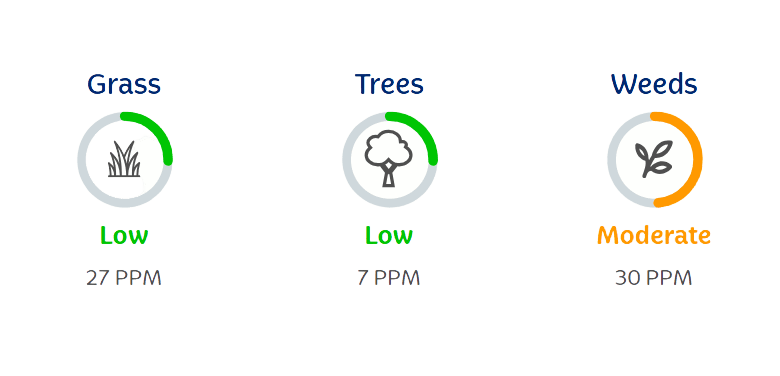
Birmingham Pollen Count
Today
Hay Fever Injection in Birmingham
Doctor-led hay fever care in Kings Heath, Birmingham: same-day assessment, injection option for suitable adults
✔ Same day appointments (subject to availability)
✔ GP consultation included
✔ Prescription treatment where appropriate
✔ Injection option for suitable adults
✔ Clinic in Kings Heath, Birmingham, free parking
Hay fever (allergic rhinitis) can be exhausting - sneezing, blocked nose, itchy eyes, poor sleep, and difficulty concentrating. When antihistamines and nasal sprays are no longer enough, we offer same-day GP assessment and effective treatment options to help you feel better quickly.
Hay fever injection in Birmingham, £75 including the GP assessment
When antihistamines and nasal sprays have stopped working, a GP sees you, checks that a steroid injection is safe for you, and if it is, gives it at the same visit. Most people get relief for six to twelve weeks, often the whole of their worst season. The injection is a prescription-only medicine, so the assessment comes first and it is only given where the doctor judges it right for you.
Includes: a 15-minute GP consultation (symptoms, what you have tried, your medical history), the injection where suitable, a written plan for the rest of the season and aftercare advice. Not suitable? The GP explains why and talks you through the alternatives.
Book a hay fever appointment- Same-day appointments
- GMC-registered GP
- Adults 18 and over
- CQC-registered clinic
- Free parking at the rear
Is the injection right for you?
It may suit you if
- You are 18 or over with moderate to severe hay fever every year
- Non-drowsy antihistamines and a steroid nasal spray, used properly for at least two weeks, have not controlled it
- Symptoms are wrecking sleep, work, exams or driving
- You cannot take or tolerate the usual tablets and sprays
The GP will not give it if
- You are under 18, pregnant, trying to conceive or breastfeeding
- You have diabetes, uncontrolled blood pressure, glaucoma, osteoporosis or a stomach ulcer
- You have an infection now, including recent chickenpox or shingles contact, or a weakened immune system
- You have had a live vaccine recently or one is planned, or you have already had a steroid injection this season
The GP goes through each of these with you. If the injection is not the right choice, you leave with a treatment plan that is, and the fee drops to a standard consultation.
Benefits and risks, stated plainly
The injection is a long-acting corticosteroid: an anti-inflammatory steroid released slowly from the muscle over several weeks. It damps down the allergic inflammation in the nose, eyes and sinuses rather than blocking one symptom at a time, which is why people who have struggled with tablets and sprays often do well on it. It starts to work within one to two days and reaches full effect within about a week.
Because the steroid reaches the whole body, it carries the risks of any systemic steroid, and that is why the NHS stopped offering it routinely. With a single dose these are usually mild and short-lived, but they are real:
- Raised blood sugar and blood pressure for a few weeks
- Flushing, disturbed sleep, a change in mood or appetite
- Changes to your period in the weeks after
- A small dent or pale patch of skin at the injection site, which can be permanent
- A higher chance of infections while the steroid is active, and a few weeks of reduced natural steroid production by your adrenal glands
- With repeated doses year after year: thinning of the bones and skin, weight gain, cataracts
Our GP's view, and the reason this is a once-a-season treatment given after an assessment, is set out in Why the NHS stopped offering the hay fever injection.
The alternatives we will talk through first
| Option | How it is used | Where it fits |
|---|---|---|
| Non-drowsy antihistamine tablet | Daily through the season | First line for sneezing, itching and runny nose; several are available over the counter. |
| Steroid nasal spray | Daily, started two weeks before your season, aimed away from the middle of the nose | The most effective everyday treatment for a blocked nose; most people who say it "did not work" were not using it early or correctly. |
| Antihistamine eye drops | As needed | Itchy, watery eyes that tablets have not settled. |
| Montelukast or a short course of steroid tablets | Prescribed by the GP | A bad spell, an exam week or a wedding, with far less steroid exposure than an injection. |
| Allergy testing | One blood sample | Confirms which pollens, pets or moulds you react to, so avoidance and treatment are targeted. |
| Immunotherapy (desensitisation) | Daily tablets or injections for three years, by specialist referral | The only treatment that changes the allergy itself; for severe hay fever that returns every year. |
What happens at the appointment
- Book online and pick a time; same-day and next-day slots are normal in the season. Bring a list of your medicines and any treatments you have already tried.
- The GP assesses you. Your symptoms and how they affect you, what has and has not worked, your medical history and blood pressure, and the suitability checks above.
- The injection, if suitable, is given into the upper outer buttock or thigh muscle. It takes a few seconds; you can drive straight afterwards and carry on your day.
- Your plan and aftercare. What to expect over the coming days, what to do if you notice side effects, and the spray, tablets or testing that keep you covered when the injection wears off.
Which appointment do you need?
More on testing: Hay fever and allergy blood testing explained, and the full allergy testing page.
Questions people ask
How much does a hay fever injection cost?
£75 at OneMedicine, and that includes the GP consultation and the injection.
What is in the hay fever injection?
A long-acting corticosteroid, an anti-inflammatory steroid released slowly from the muscle over several weeks. It is a prescription-only medicine, so it is given only after a GP has assessed you and judged it suitable; the GP will tell you exactly what is being given and go through the risks before you agree to it.
How quickly does it work and how long does it last?
Most people notice improvement within one to two days, with the full effect within about a week. Relief typically lasts six to twelve weeks, which for many covers their worst part of the season. Response varies, and the GP will give you a plan for when it wears off.
What are the side effects of the hay fever injection?
With a single dose they are usually mild and temporary: raised blood sugar and blood pressure for a few weeks, flushing, poor sleep, mood or appetite change, period changes, and a small dent or pale patch at the injection site that can be permanent. It also lowers your resistance to infection while active and suppresses your adrenal glands for a few weeks. Repeated doses year after year add bone and skin thinning, weight gain and cataracts, which is why we give one per season after an assessment.
Why doesn't the NHS offer the hay fever injection?
Because a long-acting steroid that reaches the whole body carries risks that cannot be reversed once injected, and effective lower-risk treatments exist, NHS guidance advises against using it routinely. We offer it privately to adults whose hay fever has not responded to those treatments, after a GP assessment, once a season, with the risks explained. Our guide to the controversy explains the evidence in full.
Is the hay fever injection safe?
For a healthy adult with no contraindications, a single dose once a season is widely used and the serious problems are rare, but it is not risk-free, and it is not safe for everyone. It is not given under 18, in pregnancy or breastfeeding, with diabetes, uncontrolled blood pressure, glaucoma, osteoporosis, a stomach ulcer, a current infection or a weakened immune system. The assessment exists to pick that up.
Can I have more than one injection a year?
We give one per season. A second dose in the same year doubles the steroid exposure and the risk of the longer-term effects; if the first wears off before the season ends, a steroid nasal spray, antihistamines or a short course of tablets bridge the gap, and the GP plans that with you at the first visit.
Can I get the hay fever injection at Boots or a pharmacy?
No. It is a prescription-only medicine that must be prescribed and given by a doctor after an assessment, so high street pharmacies do not offer it. Pharmacies sell antihistamines, nasal sprays and eye drops, which are the right first step for most people.
When is the best time to have it?
At the start of your bad weeks, not after them. Tree pollen allergy peaks in April, grass pollen from late May to July and weed pollen in late summer. If you know your trigger, book a week or two before it usually starts; if you do not, an allergy blood test tells you which pollen it is.
Do I need an allergy test before the injection?
No. The diagnosis of hay fever is usually clear from your history. A test is useful when symptoms run all year, when you are not sure whether it is pollen, pets or dust mite, or when you are considering immunotherapy. Our allergy and hay fever blood test covers 23 common allergens from one sample.
Can I drive, work or exercise afterwards?
Yes. There is no sedation and no recovery time. The injection site may ache for a day. Avoid live vaccines for several weeks afterwards and tell any other doctor treating you that you have had a steroid injection.
Can my child have the hay fever injection?
No. We do not give it under 18. Children's hay fever is treated with age-appropriate antihistamines, nasal sprays and eye drops, and a GP appointment covers that; a referral for immunotherapy is an option for severe cases.
What if the GP decides the injection isn't suitable for me?
You will not be given it. The GP will set out the alternatives, prescribe where appropriate and arrange testing or a referral if needed.
OneMedicine, 1 High Street, Kings Heath, Birmingham B14 7AR. Opposite Kings Heath railway station, free parking at the rear. CQC-registered.