If you have had a heart attack, a stent, bypass surgery or another heart condition, your licensing council, the DVLA or the CAA may ask for heart tests before you can drive or fly again. At OneMedicine we offer every test you need under one roof in Kings Heath, with reports from our consultant cardiologist.
- ✓ Cardiologist Reported
- ✓ All Tests in One Clinic
From £250
DVLA Heart Tests in Birmingham: Treadmill Test for Taxi, Bus and HGV Drivers
After a heart attack, a stent, bypass surgery or another heart condition, the DVLA, your licensing council or the CAA may need heart tests before you can drive or fly again. We do the DVLA treadmill test (Bruce protocol exercise ECG), the echocardiogram and the stress echocardiogram under one roof in Kings Heath, each reported by a consultant cardiologist.
- DVLA Group 2 Bruce protocol
- Consultant cardiologist report
- No referral needed
- Forms completed at no extra charge
- Free parking
Prices include the test and the written report. Not sure which test you need? Call 07777 238 999 with your DVLA letter or council form and we will tell you before you book.
Which heart test does the DVLA need?
Bus, coach and lorry licences (Group 2) and most taxi and private hire licences follow the DVLA's Group 2 heart rules. After most heart conditions you must tell the DVLA, stop driving for a set time, and then show two things: that your heart pumps well enough (an ejection fraction of at least 40%, measured by an echocardiogram) and, after coronary heart disease, that you can pass an exercise test.
| Your condition | Group 2: earliest relicensing | Tests usually needed |
|---|---|---|
| Heart attack (acute coronary syndrome) | At least 6 weeks | Echocardiogram + treadmill test |
| Stent or angioplasty (planned) | At least 6 weeks | Echocardiogram + treadmill test |
| Bypass surgery (CABG) | 3 months after the operation | Echocardiogram + treadmill test |
| Atrial fibrillation or another arrhythmia | Once controlled for at least 3 months | Echocardiogram |
| Heart failure or cardiomyopathy | When symptoms are controlled | Echocardiogram, sometimes an exercise test |
A treadmill test and an echocardiogram together cost £450 at one visit, £25 less than booking them separately: book the package. If you have established coronary heart disease, the DVLA asks for the exercise test to be repeated at least every three years. Source: GOV.UK, Cardiovascular disorders: assessing fitness to drive. If the DVLA has written to arrange a test for you, follow its letter.
The DVLA treadmill test: what the Bruce protocol involves
The DVLA's standard test is a treadmill exercise ECG using the Bruce protocol. The treadmill gets faster and steeper every three minutes while your heart tracing and blood pressure are recorded. To meet the Group 2 standard you need to complete three stages (nine minutes) without:
- chest pain (angina) or fainting
- a fall in blood pressure of 20 mmHg or more
- an abnormal heart rhythm that needs treatment or stops the test early
- ECG changes that a cardiologist reads as a sign of reduced blood supply, during exercise or recovery
Most people are on the treadmill for 10 to 15 minutes; the whole appointment takes about 45 minutes. For the test in more detail, see our treadmill exercise stress test page and the guide DVLA Group 2 exercise test explained.
If you cannot do the treadmill test: stress echocardiogram
The DVLA accepts a stress echocardiogram instead when a treadmill ECG cannot be read or completed: for example with left bundle branch block, right bundle branch block with a wide QRS, a pacemaker rhythm, or a joint or other problem that stops you walking on a treadmill. The standard is that no more than one segment of the heart muscle shows reduced blood supply under stress. Ask us first if you are not sure which applies to you.
Driving a car after a heart attack
Car and motorcycle drivers (Group 1) do not need an exercise test and do not need to tell the DVLA after a heart attack. You can drive again one week after a successful stent if your ejection fraction is at least 40% and no further procedure is planned within four weeks; otherwise after four weeks. After bypass surgery the wait is four weeks. The tests on this page are for drivers with a bus, lorry, taxi or private hire licence, and for pilots.
Taxi and private hire drivers
Licensing councils apply the DVLA Group 2 heart standards to taxi and private hire drivers, so after a heart attack or stent your council will usually ask for a treadmill test and an echocardiogram report. We test drivers licensed by any council, including Wolverhampton, Sandwell, Solihull and Transport for London (PCO), and we complete the medical forms at no extra charge.
We also do the D4 and council taxi medical itself for £45. Birmingham City Council is the exception: its own doctors carry out every taxi medical, so Birmingham-licensed drivers bring our heart test report to that appointment.
Pilots and air traffic controllers
The CAA's exercise ECG protocol asks for a symptom-limited Bruce protocol test on a 12-lead ECG, with recordings at the end of each minute and for ten minutes of recovery. Tell us when you book that the test is for the CAA and we will run it to that protocol. Class 1 and Class 3 certificates need the full report with tracings, which we send for your AME. More in our guide exercise ECG for pilots: the CAA protocol.
Before your test
- Bring your DVLA letter or licensing form, photo ID and a list of your medicines.
- Wear comfortable clothes and trainers or flat shoes you can walk briskly in.
- Keep taking your usual medicines unless your own doctor has told you otherwise.
- Avoid a heavy meal, caffeine and smoking for a few hours beforehand.
What to expect
- BookOnline or by phone. We check which test your licence needs.
- ArriveAt 1 High Street, Kings Heath, with your form, ID and medicines list.
- Your testYour history is checked, then the test is run and supervised by a consultant cardiologist.
- Your reportA written report from a consultant cardiologist, ready to send to the DVLA, your council or your AME.
Is the treadmill test safe?
An exercise stress test is generally safe. Temporary tiredness, breathlessness, leg discomfort, chest discomfort, palpitations or dizziness may occur and usually settle after stopping. Other risks include skin irritation from the ECG stickers, an abnormal blood pressure response, fainting, or a fall or injury on the treadmill.
Rarely, serious complications include dangerous heart rhythms, heart attack, cardiac arrest or death, which need emergency treatment or transfer to hospital. Published studies put major complications at about 1 in 2,500 tests and death at fewer than 1 in 10,000. Your own risk depends on your heart condition and general health, and we check your history before the test starts.
Results can occasionally be misleading or inconclusive. A normal result does not rule out all coronary artery disease, and further tests may be needed.
Frequently asked questions
How long after a heart attack can I drive a taxi, bus or lorry?
For a Group 2 or taxi licence, at least six weeks after a heart attack or stent and three months after bypass surgery, and only once your ejection fraction is at least 40% and you have passed an exercise test. Car drivers can usually drive again after one to four weeks without telling the DVLA.
Which test do I need?
After a heart attack, stent or bypass, usually a treadmill test and an echocardiogram, which together cost £450. After atrial fibrillation or heart failure, usually an echocardiogram. Call us with your DVLA letter or council form and we will confirm before you book.
Do I need to stop my heart medicines before a DVLA treadmill test?
No. Since November 2025 the DVLA no longer asks for anti-angina medicines to be stopped before the test. Keep taking your medicines as prescribed unless your own doctor advises otherwise.
What happens if I cannot finish the treadmill test?
If you stop before nine minutes because of chest pain, breathlessness, a blood pressure fall or ECG changes, the report says so and the DVLA standard is not met. If the reason is not your heart, such as a bad knee, a stress echocardiogram may be accepted instead.
What are the risks of a treadmill stress test?
The test is generally safe. Tiredness, breathlessness, leg or chest discomfort, palpitations and dizziness are common and usually settle after stopping. Serious complications such as a dangerous heart rhythm, heart attack, cardiac arrest or death are rare: published studies put major complications at about 1 in 2,500 tests and death at fewer than 1 in 10,000. Your own risk depends on your heart condition, and a consultant cardiologist supervises every test with emergency equipment in the room.
How quickly will I get my report?
The treadmill test report, with your ECG tracings, is emailed the same working day. Echocardiogram and stress echocardiogram reports are emailed once a consultant cardiologist has reviewed the images.
Does the DVLA accept a private treadmill test?
The DVLA sets the standard the test must meet, the Bruce protocol and the criteria on this page, and our reports are written against it. If the DVLA has already written to arrange a test for you, follow its letter.
Can you also do my taxi medical?
Yes, for £45, for drivers licensed by councils that accept an independent doctor, such as Wolverhampton, Sandwell and Solihull. Birmingham City Council carries out its own taxi medicals, so Birmingham drivers take our heart test report to that appointment.
How often do I need to repeat the test?
If you have established coronary heart disease, the DVLA asks for an exercise or other functional test at least every three years to keep a Group 2 licence.
Do you test pilots to the CAA protocol?
Yes. Tell us when you book that the test is for the CAA. We run a symptom-limited Bruce protocol test with a 12-lead ECG and ten minutes of recovery, and send the full report with tracings for your AME.
Book your DVLA heart test
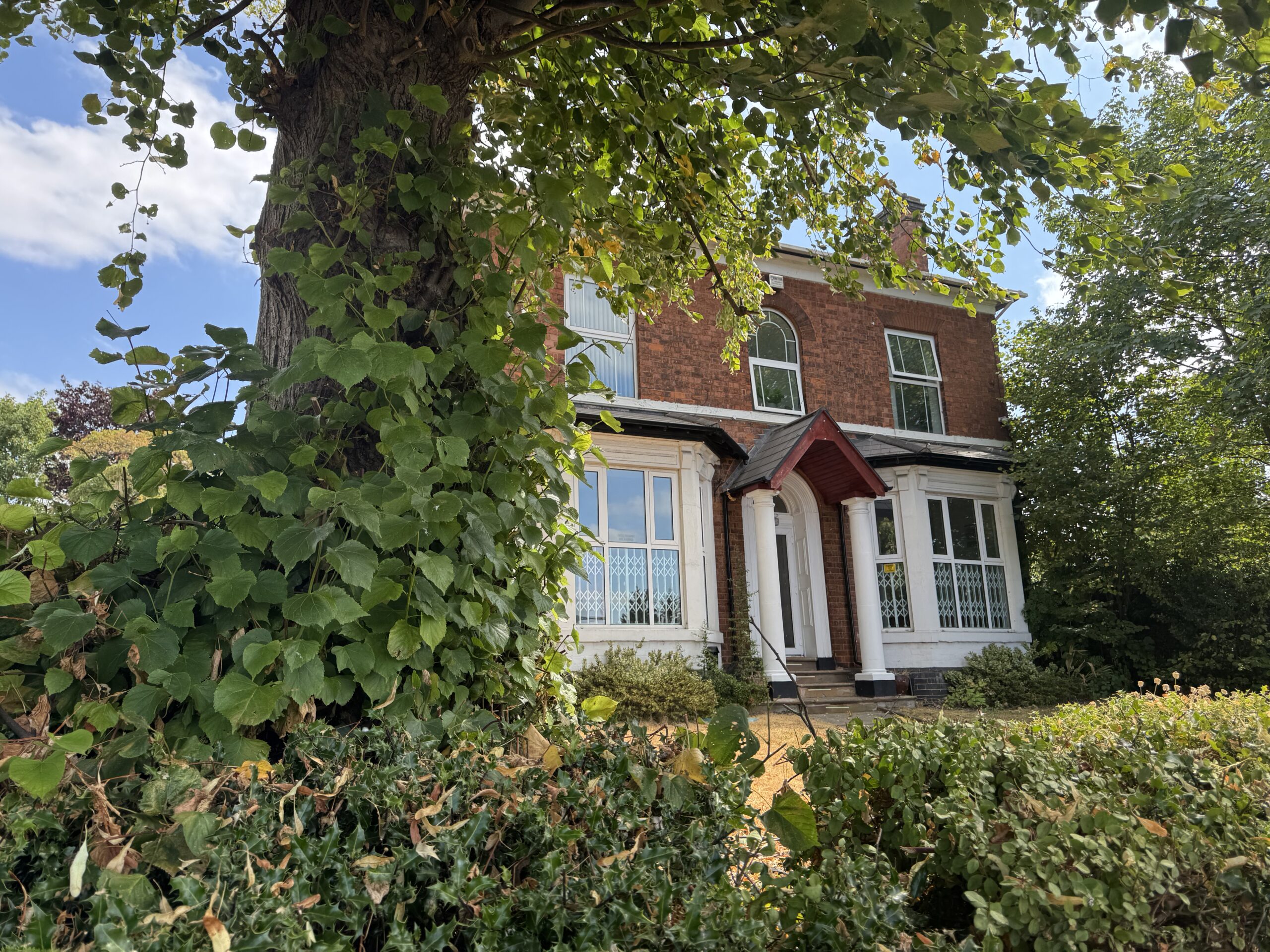
1 High Street, Kings Heath, Birmingham B14 7AR. Opposite Kings Heath station, with free on-site parking.
OneMedicine is not an emergency service. If you have chest pain, difficulty breathing or signs of a stroke, call 999. Driving rules checked on GOV.UK, October 2026.
Councils
- Wolverhampton City Council
- Sandwell Council
- Dudley Council
- Solihull Council
- Knowsley Council
- Worcestershire Council
- Northampton Council
General Advice:
Always confirm with your licensing authority before booking a private GP medical, as policies can change.
Why Choose OneMedicine for Your Taxi Medical in Birmingham?
- Same-day and short-notice appointments available.
- Experienced private Doctors who understand taxi licence requirements.
- Convenient location in Birmingham.
- Personal, stress-free service with minimal waiting times.
Experience Exceptional Care