At OneMedicine, we often see men who don’t quite feel like themselves. It’s not always obvious why. Energy drops, mood shifts, motivation fades – and it’s easy to put it down to stress, poor sleep, or just getting older.
Sometimes, there’s a hormonal reason behind it.
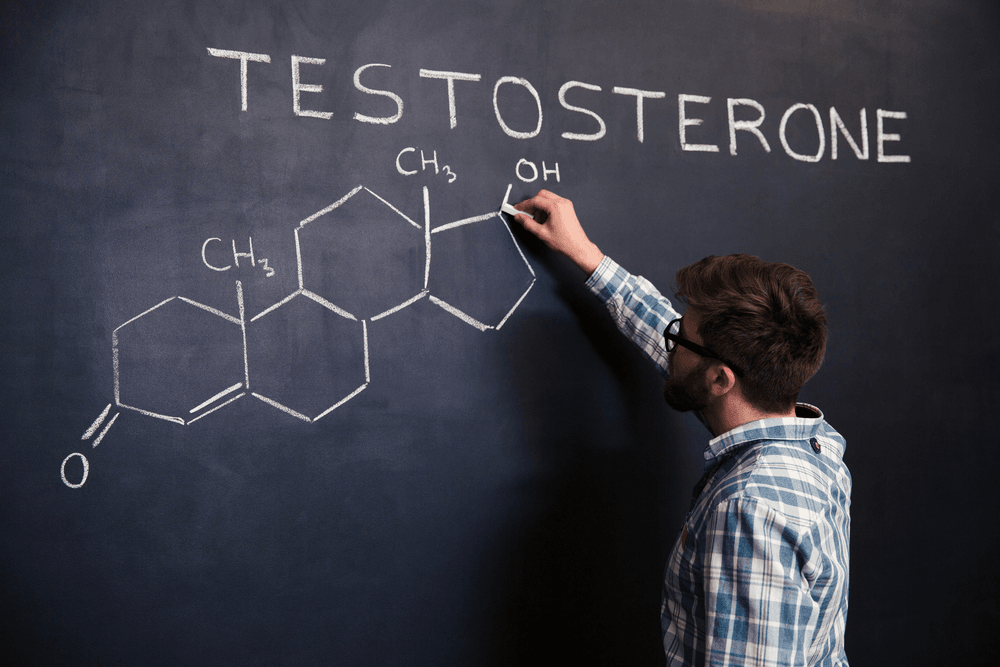
What is testosterone – in simple terms
Testosterone is a key hormone that supports much more than just sexual health. It plays a role in:
- Energy levels
- Mood and mental clarity
- Muscle strength and body composition
- Red blood cell production
- Bone health
- Hair growth and distribution
Levels naturally decline with age, but in some men the drop is more significant – or happens earlier – leading to noticeable symptoms.
Common signs of low testosterone
Symptoms usually develop gradually and often overlap with everyday factors.
Sexual health
- Reduced sex drive (low libido)
- Changes in erections – less frequent or less firm
Energy and stamina
- Ongoing tiredness that doesn’t improve with rest
- Reduced physical endurance
Mood and motivation
- Low mood or irritability
- Feeling mentally “flat” or less sharp
- Loss of motivation
Body composition and strength
- Loss of muscle mass or strength
- Increase in body fat, particularly around the abdomen
Hair changes – often misunderstood
Hair is one of the more confusing areas when it comes to testosterone.
Body and facial hair
Testosterone helps maintain:
- Beard growth
- Chest, arm, and leg hair
Low levels can lead to:
- Slower beard growth
- Thinner or patchier facial hair
- Reduced body hair over time
These changes are usually gradual and subtle.
Scalp hair (this is where it gets tricky)
Many people assume low testosterone causes hair loss – but the relationship is more complex.
Male pattern hair loss is primarily driven by dihydrotestosterone (DHT), a more potent form of testosterone.
- Higher sensitivity of hair follicles to DHT leads to thinning scalp hair
- This can happen even when testosterone levels are normal or high
So:
- Low testosterone does not typically cause male pattern baldness
- Some men with lower testosterone may actually notice slower progression of typical hairline recession
What actually suggests low testosterone?
Hair-related signs that may point more towards low testosterone include:
- Reduced shaving frequency
- Less dense beard growth
- Loss of body hair (especially chest and limbs)
Other causes of hair changes
Hair symptoms should always be interpreted in context. Other common causes include:
- Genetics (most important for scalp hair loss)
- Thyroid disorders
- Nutritional deficiencies (e.g. iron)
- Stress and illness
- Medications
Why these symptoms happen
Testosterone affects multiple systems at once. When levels fall, symptoms often appear as a cluster – fatigue, low mood, reduced libido, and physical changes occurring together.
That overlap is why proper testing matters.
When to consider getting checked
It’s worth speaking to a clinician if:
- Symptoms are persistent rather than short-term
- You notice a combination of issues (energy, mood, libido, physical changes)
- Changes feel out of proportion to your age or lifestyle
What testing involves
Assessment typically includes:
- Morning blood tests for testosterone
- Repeat testing if needed
- Evaluation for underlying causes
At OneMedicine, the focus is on understanding both your symptoms and your physiology – not just a number.
Treatment – tailored, not one-size-fits-all
Treatment depends on the cause.
Some men improve with:
- Better sleep
- Weight optimisation
- Medication review
Others may be suitable for testosterone therapy – but only after proper assessment and with careful monitoring.
Final thought
Hair changes can be a clue – but rarely tell the whole story on their own.
If you’re noticing reduced energy, low mood, changes in libido, and subtle shifts in hair or body composition, it’s worth exploring further.
At OneMedicine, the approach is simple – clear answers, doctor-led care, and safe, evidence-based treatment so you can feel like yourself again.