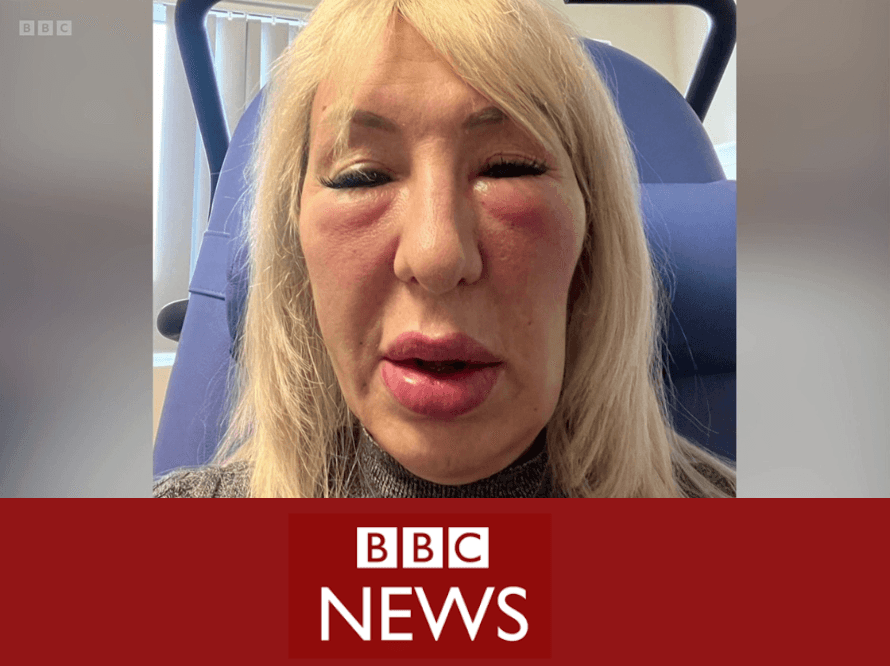
Botulinum toxin injections are one of the most commonly performed aesthetic treatments in the UK. They are widely used to soften facial lines and achieve a refreshed appearance, and when performed correctly, they are generally safe and effective. However, botulinum toxin is a prescription-only neurotoxin, and injecting it into the face is a medical procedure involving complex anatomy.
Complications can and do occur, particularly when injections are carried out by individuals without sufficient medical training, anatomical knowledge, or clinical experience. Understanding what can go wrong, and why practitioner expertise matters, is essential for patient safety.
- Common and Mild Side Effects
- Unintended Muscle Weakness – The Most Common True Complication
- Functional Complications
- Eye-Related Complications
- Flu-Like Symptoms and Systemic Effects (Rare)
- Psychological and Expectation-Related Issues
- Why Medical Training Reduces the Risk of Complications
- When to Seek Medical Review Urgently
- Key Takeaway
Common and Mild Side Effects
Most patients tolerate botulinum toxin injections well. Mild side effects are common and usually short-lived.
These include pain or stinging at the injection site, redness, swelling, bruising, and a temporary headache. Symptoms typically settle within hours to a few days and do not require treatment.
Unintended Muscle Weakness – The Most Common True Complication
Botulinum toxin works by weakening muscles. Problems arise when the toxin spreads beyond the intended muscle or is injected at the wrong depth or location.
Eyelid droop, also known as ptosis, occurs when toxin affects the muscle responsible for lifting the eyelid. This usually develops 3–10 days after treatment and can persist for several weeks or months.
Brow ptosis occurs when the muscles supporting the eyebrows are weakened, causing the brows to sit lower and the eyes to feel heavy or tired.
Facial asymmetry may result in uneven eyebrows, an imbalanced smile, or altered facial expression. While these effects are temporary, they are often distressing for patients and are largely avoidable with correct technique and anatomical understanding.
Functional Complications
Facial muscles are involved in essential daily functions, not just appearance. Incorrect injections can therefore cause functional problems.
These may include difficulty chewing following masseter injections, speech changes after lower face treatments, and neck weakness after excessive dosing to the platysma. In more severe cases, patients may struggle to hold their head upright.
These risks underline why botulinum toxin should always be treated as a medical procedure rather than a cosmetic quick fix.
Eye-Related Complications
Injections around the eyes can affect blinking and tear distribution. Patients may experience dry eyes, irritation, or worsening of pre-existing dry eye conditions. These complications are more likely when injections are placed too close to periocular muscles without appropriate training or precision.
Flu-Like Symptoms and Systemic Effects (Rare)
Some patients report fatigue or mild flu-like symptoms following treatment. At cosmetic doses, serious systemic spread of botulinum toxin is exceptionally rare, but remains a recognised risk if dosing, dilution, or technique is poor.
Red-flag symptoms include difficulty swallowing, slurred speech, widespread muscle weakness, or breathing difficulty. These symptoms require urgent medical assessment.
Psychological and Expectation-Related Issues
Not all complications are physical. Some patients feel anxious during the settling period, unhappy with early asymmetry, or concerned about looking “frozen” or expressionless. Unrealistic expectations can also lead to dissatisfaction, even when treatment has been technically successful.
Thorough consultation, realistic goal-setting, and clear explanation of expected outcomes significantly reduce these issues.
Why Medical Training Reduces the Risk of Complications
Most complications associated with botulinum toxin injections are not random. They are predictable consequences of poor technique, limited anatomical knowledge, or inappropriate patient selection.
Medically trained clinicians have a detailed understanding of facial anatomy, muscle interaction, and anatomical variation between individuals. They understand how dose, depth, dilution, and injection point influence toxin spread, and how weakening one muscle can affect others.
Medical training also enables proper patient assessment. Some patients are unsuitable for botulinum toxin due to underlying neurological conditions, medication use, or previous adverse reactions. Identifying these risks requires clinical knowledge and experience.
Importantly, medically qualified practitioners are trained to recognise early signs of complications, distinguish normal post-treatment changes from genuine problems, and manage issues safely if they arise. They are able to prescribe treatment where appropriate and escalate urgently if red-flag symptoms develop.
This matters because botulinum toxin remains a potent neurotoxin, regardless of how routine aesthetic injections may appear.
When to Seek Medical Review Urgently
Patients should seek urgent medical review if they experience difficulty breathing or swallowing, severe or progressive muscle weakness, vision problems, or rapidly spreading symptoms.
Prompt assessment can prevent complications from worsening and ensures appropriate care.
Key Takeaway
Botulinum toxin injections are generally safe when performed correctly. Most complications are temporary and preventable, with unintended muscle weakness and asymmetry being the most common issues.
The risk of complications is significantly reduced by medical training, strong anatomical knowledge, appropriate patient selection, and safe injection technique. Choosing a doctor-led clinic is not about luxury or branding. It is about patient safety, early recognition of complications, and having proper medical care available if something goes wrong.