Most people associate HPV (human papillomavirus) with cervical cancer. Few realise it can also cause mouth and throat cancers, particularly in men.
That lack of awareness nearly cost John, a 40-year-old father from Cardiff, his tongue – and his life.
- A painless lump that changed everything
- What is HPV?
- How does HPV affect the mouth and throat?
- Why men are at higher risk
- How oral HPV is spread
- Factors that increase risk
- Symptoms to never ignore
- Diagnosis and early assessment
- Treatment and recovery
- Prognosis
- Can HPV be treated or cured?
- The role of the HPV vaccine
- Who can get the HPV vaccine?
- Key takeaway
A painless lump that changed everything
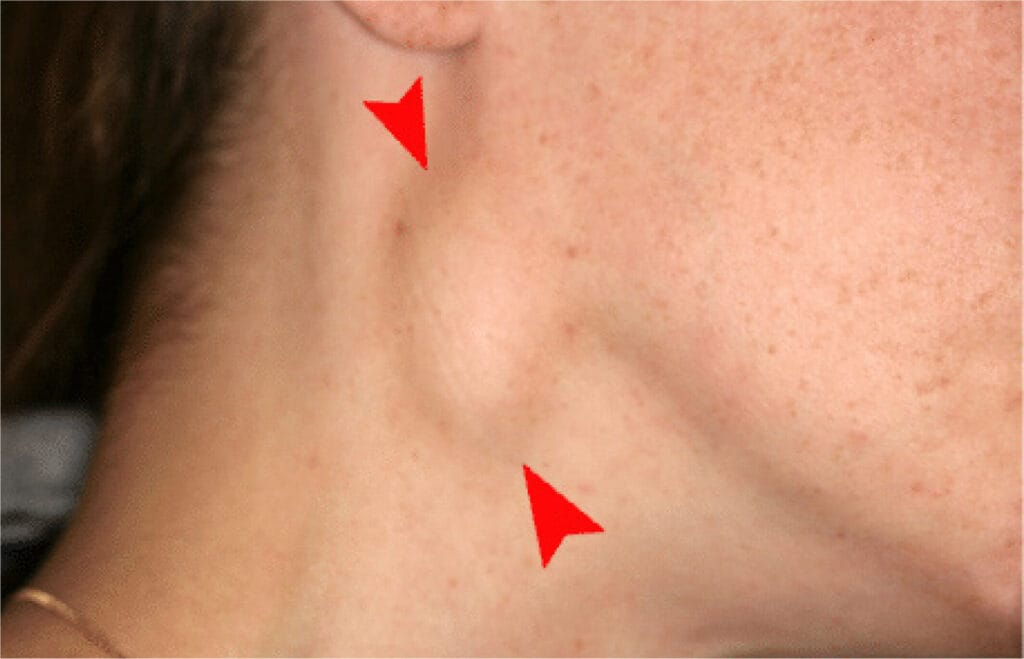
Anthony noticed a small, painless lump under his jaw. He felt well, had no pain, no swallowing difficulty, and no warning signs. Still, he did the right thing and saw his GP.
Within weeks, he was diagnosed with HPV-related head and neck cancer. The primary tumour was hidden at the base of his tongue, and the cancer had already spread to lymph nodes in his neck. One node was close to rupturing.
Doctors told him they had caught it just in time. Had he delayed, the cancer could have spread further, potentially requiring removal of his tongue or becoming life-threatening.
“I’d only ever heard of HPV in relation to cervical cancer. I had no idea it could cause cancers like this, especially in men.”
What is HPV?
HPV is an extremely common virus. Up to 8 in 10 people will catch it at some point in their lives.
There are over 100 types of HPV. Most cause no symptoms and clear naturally within one to two years. Some affect the genitals, throat, and mouth, and a small number of high-risk strains can lead to cancer.
According to NHS, most people will never know they were infected.
How does HPV affect the mouth and throat?
HPV can infect the oropharynx, the area behind the mouth that includes the tonsils, base of the tongue, and back of the throat.
Most oral HPV infections cause no symptoms and clear naturally. In rare cases, high-risk HPV can persist and cause slow changes in cells that eventually develop into cancer.
Around 70% of oropharyngeal cancers are now linked to HPV.
Why men are at higher risk
Men are more than three times more likely than women to have oral HPV.
This is thought to be due to higher exposure rates, lower clearance of the virus, and reduced awareness leading to later presentation. HPV-related throat cancers are now more common in men than cervical cancer is in women.
How oral HPV is spread
HPV spreads through skin-to-skin contact, particularly through oral sex (including rimming), genital contact, sharing sex toys, and, less commonly, deep kissing.
A brief kiss on the cheek or lips does not transmit HPV.
Factors that increase risk
Certain factors make it harder for the body to clear HPV, including smoking, alcohol consumption, multiple sexual partners, and reduced immune function. Smoking and alcohol are thought to weaken local immune defences in the mouth and throat.
Symptoms to never ignore
Early HPV-related mouth and throat cancers may cause no symptoms at all. When symptoms do appear, they can include:
- A painless lump in the neck
- Difficulty swallowing
- Persistent sore throat
- Ear pain without infection
- Unequal or enlarged tonsils
- White or red patches in the mouth
- Unexplained weight loss
- Difficulty moving the tongue
Anthony’s only symptom was a neck lump. Any lump or symptom lasting more than three weeks should be checked.
Diagnosis and early assessment
There is no routine screening test for oral HPV.
Mouth and throat cancers are diagnosed using physical examination, biopsy, and imaging such as CT or MRI scans. Because symptoms can be subtle, early medical assessment is crucial.
Treatment and recovery
Anthony underwent removal of 44 lymph nodes, robotic surgery to the base of his tongue, followed by chemotherapy and radiotherapy.
Despite successful treatment, he experienced loss of saliva, severe weight loss, difficulty eating and drinking, temporary wheelchair use, and significant psychological strain.
HPV-related head and neck cancers often respond better to treatment than non-HPV cancers, particularly when diagnosed early.
Prognosis
According to Cancer Research UK, around 75% of people survive mouth cancer for at least one year after diagnosis, with outcomes significantly better when detected early. HPV-related cancers generally have better long-term survival rates.
Can HPV be treated or cured?
There is no treatment for HPV itself, but this is usually reassuring. Over 90% of infections clear naturally without intervention.
If cancer develops, curative treatment is often possible, especially when caught early.
The role of the HPV vaccine
The HPV vaccine protects against high-risk cancer-causing strains and genital warts. It has dramatically reduced cervical cancer rates and is expected to reduce HPV-related mouth and throat cancers over time.
Because these cancers tend to occur later in life, the full benefit of vaccination will become clearer in the coming decades.
Who can get the HPV vaccine?
In the UK, the HPV vaccine is offered to boys and girls aged 12–13 as part of the school programme. Free catch-up vaccination is available until age 25, and up to age 45 for men who have sex with men and some trans people via specialist sexual health clinics.
Private vaccination is also available.
Key takeaway
HPV in the mouth is common and usually harmless, but in rare cases it can lead to serious disease. Men are at higher risk, and symptoms can be subtle.
If you notice a persistent neck lump, mouth change, or throat symptom, get it checked – even if it doesn’t hurt. Early action can save your voice, your ability to eat, and your life.