Iron Infusions for Anaemia in Birmingham
Restore Your Energy, Feel Like Yourself Again
Iron deficiency anaemia is a common medical condition that can cause fatigue, breathlessness, dizziness, palpitations, reduced exercise tolerance, and difficulty concentrating.
At OneMedicine in Birmingham, we provide doctor-led intravenous iron infusions for patients with confirmed iron deficiency or iron-deficiency anaemia where oral iron tablets are ineffective, not tolerated, or clinically inappropriate.
Intravenous iron is prescribed only following medical assessment and blood testing.
What Is Intravenous Iron Therapy?
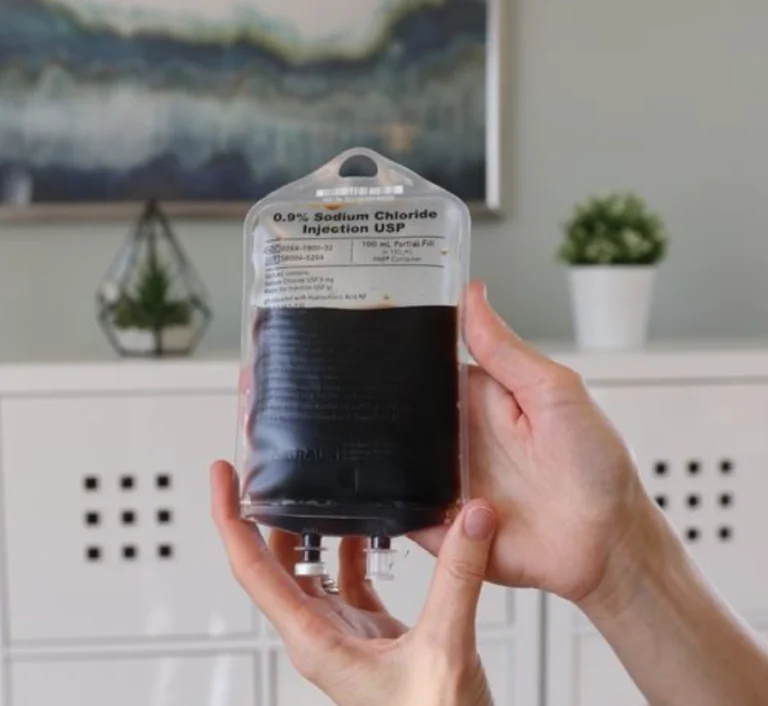
Intravenous iron therapy is a medical treatment in which iron is delivered directly into the bloodstream through a small tube (cannula) placed into a vein, usually in the arm or hand.
This method bypasses the digestive system and allows iron to be absorbed rapidly and efficiently.
Compared with oral iron supplements, intravenous iron:
Restores iron levels more quickly
Avoids gastrointestinal side effects such as nausea and constipation
Allows accurate dosing based on blood test results
Intravenous iron is widely used across NHS and private healthcare settings.
Who May Benefit From an Iron Infusion?
Iron infusions may be recommended if you:
Have iron-deficiency anaemia confirmed on blood tests
Have not responded adequately to oral iron tablets
Cannot tolerate oral iron due to side effects
Have conditions affecting iron absorption, such as inflammatory bowel disease
Require faster correction of iron levels, for example due to significant symptoms or before surgery
Suitability is always determined by a doctor following clinical assessment.
Assessment and Blood Tests Before Treatment
Before an iron infusion is prescribed, we carry out a medical review and blood tests to confirm iron deficiency and calculate the correct dose.
This typically includes:
Full blood count
Ferritin and iron studies
Review of symptoms, medical history, and current medications
This ensures treatment is appropriate, safe, and tailored to your individual needs.
What Happens During an Iron Infusion?
A healthcare professional inserts a small cannula into a vein in your arm or hand. The iron infusion is then administered through an intravenous drip.
The infusion usually takes 30 to 60 minutes, depending on the iron preparation and dose required.
During the infusion, you will be monitored, including checks of blood pressure and pulse. After the infusion is complete, the cannula is removed and you will be observed briefly before leaving the clinic.
Most patients are able to return to normal activities the same day.
Safety and Side Effects of Intravenous Iron
Intravenous iron is generally safe when given in a medical setting under appropriate supervision.
Possible side effects may include:
Headache, nausea, or flushing
Temporary changes in taste
Muscle or joint aches
Mild infusion reactions or changes in blood pressure
Irritation or discomfort at the infusion site
Rarely, iron can leak outside the vein, which may cause skin discolouration that can be long-lasting. Allergic or hypersensitivity reactions are uncommon but can occur.
At OneMedicine, iron infusions are delivered in a regulated clinical environment with full monitoring and emergency preparedness.
After Your Iron Infusion
Some side effects may occur one to two days after treatment but usually settle without intervention.
Improvement in symptoms often occurs over the following weeks as iron stores are replenished and haemoglobin levels recover.
Follow-up blood tests may be arranged to:
Confirm response to treatment
Ensure iron levels have normalised
Guide any further management if required
Your clinician will advise whether oral iron should be restarted after the infusion and whether ongoing monitoring is needed.
Why Choose OneMedicine for Iron Infusions?
Doctor-led assessment and prescribing
Evidence-based treatment aligned with NHS practice
Individualised dosing using blood results
Safe, monitored medical environment
Convenient Birmingham location
Iron infusions are only offered where there is a clear medical indication and are not provided as lifestyle or wellness treatments.
Book an Iron Infusion Assessment in Birmingham
If you have symptoms of iron deficiency or have been diagnosed with anaemia, a clinical assessment can determine whether an iron infusion is appropriate for you.
You can book an appointment to discuss blood tests, treatment options, and personalised care.
When an Iron Infusion May Not Be Suitable
Iron infusions are not appropriate for everyone.
An iron infusion may not be suitable if:
Iron deficiency has not been confirmed on blood tests
Anaemia is due to a cause other than iron deficiency
There is active infection or uncontrolled inflammatory illness
You have previously experienced a serious reaction to intravenous iron
Oral iron is effective and well tolerated
Your Doctor will assess suitability carefully and may recommend alternative investigation or treatment where appropriate.
What to look out for after infusion
After an iron infusion, some people experience mild side effects such as headache, nausea, flushing, muscle or joint aches, or tiredness. These symptoms usually settle within one to two days.
Allergic or hypersensitivity reactions are uncommon but can occur. Seek urgent medical attention if you develop chest tightness, difficulty breathing, swelling of the face or throat, dizziness, collapse, or a widespread rash.
If you notice increasing pain, swelling, or skin discolouration around the infusion site, contact the clinic promptly, as this may indicate iron leaking outside the vein.
Frequently Asked Questions About Iron Infusions
What is intravenous iron therapy?
Why might I need an iron infusion instead of tablets?
How do I know if I am iron deficient?
How long does an iron infusion take?
Is intravenous iron safe?
What side effects can occur?
Will I feel better straight away?
Do I still need to take iron tablets after an infusion?
Will I need follow-up blood tests?
Can everyone have an iron infusion?
Is an iron infusion a blood transfusion?
At OneMedicine, Your Health Comes First.
Book your iron infusion today
If you’re experiencing symptoms of iron deficiency anaemia, don’t wait for your condition to worsen. Book an appointment at OneMedicine today and discover how our Iron Infusions can help restore your health and energy levels, ensuring you get back to feeling your best.